Every sector, in today’s tech-savvy world, is evolving around technology. The supply chain domain is also not left untouched. The market is filled with various types of supply chain management software, also known as SCM software, with each one offering different features and capabilities.
In a world where everything is going virtual, implementing supply chain management software can help businesses manage their day-to-day supply chain activities more easily. Whether you’re in retail, manufacturing, or logistics, maintaining real-time records and getting your products from point A to point B quickly and accurately matters more than ever.
Table of Contents
According to Deloitte, 78% of manufacturers have implemented or are planning to invest in supply chain planning software. At the same time, more than 35% of surveyed manufacturers identified transportation and logistics costs as a primary business challenge. This shows why businesses are increasingly looking for better supply chain management software to improve planning, visibility, and day-to-day operations.
Supply chain management software helps businesses manage stock, warehouses, suppliers, orders, deliveries, and other important supply chain activities. In this blog, we’ll look at the top 10 supply chain management software options in the UK for 2026, covering their features, benefits, cost, and much more. This would eventually help you decide on the one that best fits your business requirements.
What is Supply Chain Management Software?
Supply chain management software is a tool used to manage different activities involved in a supply chain, from purchasing and inventory to warehousing and delivery. It keeps track of goods, suppliers, orders, and inventory in one place. Most systems also support warehouse, logistics, planning, and supplier operations.
A supply chain management system can either work on its own or be part of a wider ERP system. Many businesses also use cloud-based supply chain management software so their teams can access important supply chain information from different locations.
What does Supply Chain Management Software do?
Supply chain management software is helpful for managing many tasks across departments in the supply chain. These tasks include:
Tracking inventory in real-time
Managing supplier orders and performance
Scheduling production and delivery
Helping you plan routes and shipping
Providing insights into supply chain efficiency
What is the Purpose of Supply Chain Management Software?
The main goal behind implementing any supply chain management software is to bring control and clarity to any complicated supply chain process. From raw materials to final delivery, SCM software gives you tools to:
Cut down waste
Save time
Respond faster to demand
Improve communication with suppliers and carriers
10 Supply Chain Management Software in UK
With so many options available in the market, it is easy to get confused and seek clarity regarding which supply chain management software can be the best fit for your business. No worries, as we’ve curated a list of the top 10 supply chain management software in the UK for 2026.
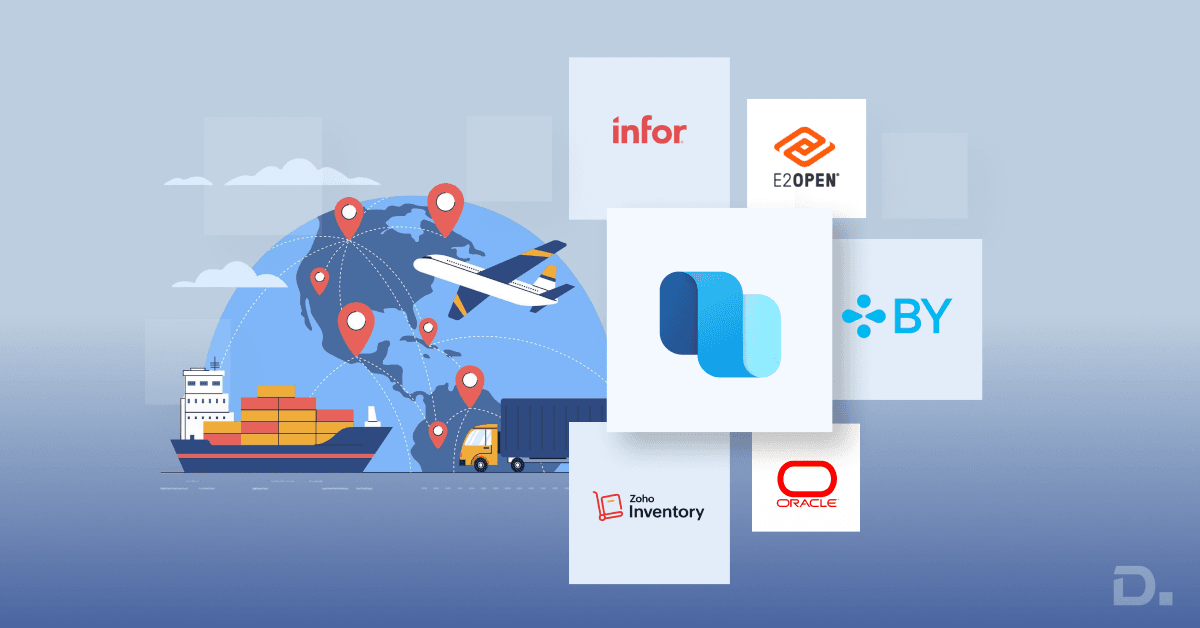
Here are the 10 supply chain management software solutions covered in this list:
| Software | Best for | Main capabilities |
|---|---|---|
| Dynamics 365 Supply Chain Management | Mid- to large-sized businesses | Inventory, planning, warehouse, manufacturing, and logistics |
| SAP Integrated Business Planning | Large enterprises | Demand planning and forecasting |
| Oracle SCM Cloud | Large and global businesses | Planning, procurement, logistics, and analytics |
| Infor Supply Chain Management | Manufacturing, retail, and distribution | Inventory and supply chain planning |
| NetSuite ERP | Small- and mid-sized businesses | Inventory, procurement, and order management |
| LogiNext Mile | Logistics and delivery businesses | Route planning and delivery tracking |
| Zoho Inventory | Small businesses and e-commerce | Stock and order management |
| Blue Yonder | Retail and manufacturing | Demand planning and forecasting |
| Manhattan Associates | Retail and distribution | Warehouse, transport, and order fulfilment |
| E2open | Global businesses | Supply planning and logistics visibility |
1. Dynamics 365 Supply Chain Management
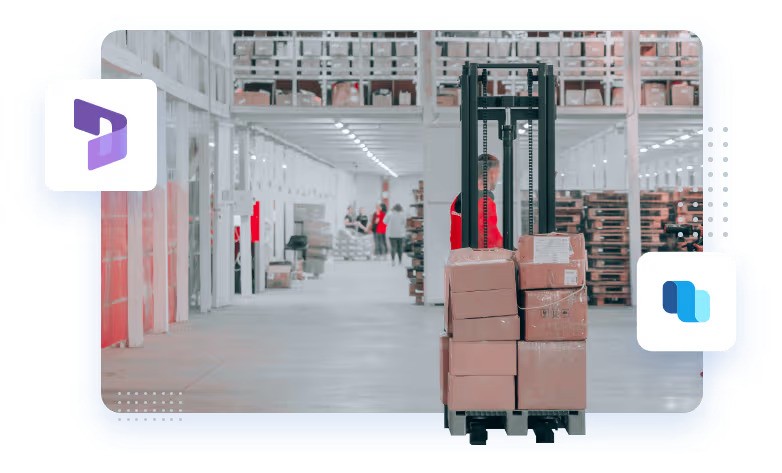
From the house of the leading tech giant of the world, Microsoft, it is one of the most comprehensive enterprise supply chain management software. Dynamics 365 Supply Chain Management connects inventory, production, and delivery in one place. You can also integrate it with other Microsoft tools, such as Dynamics 365 Business Central and other Microsoft apps from the Dynamics 365 Suite.
Key features:
Inventory tracking
Supplier management
Warehouse automation
Connected with Microsoft tools like Excel and Teams
Best for: Mid- to large-sized businesses looking for an integrated Microsoft Dynamics 365 ERP solution.
2. SAP Integrated Business Planning (IBP)
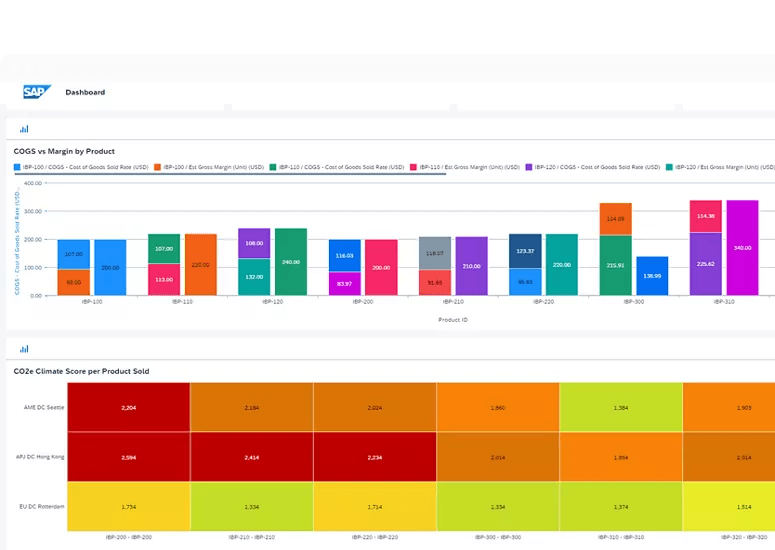
SAP IBP focuses on real-time planning, demand forecasting, and cross-functional collaboration. It works well with SAP’s existing ERP systems and is built for cloud-first operations, allowing teams to plan and react quickly to market changes.
Key features:
Forecasting and simulations
Sales and operations planning
Cloud-first design
Best for: Enterprises needing deep planning tools and ERP integration with SAP.
3. Oracle SCM Cloud
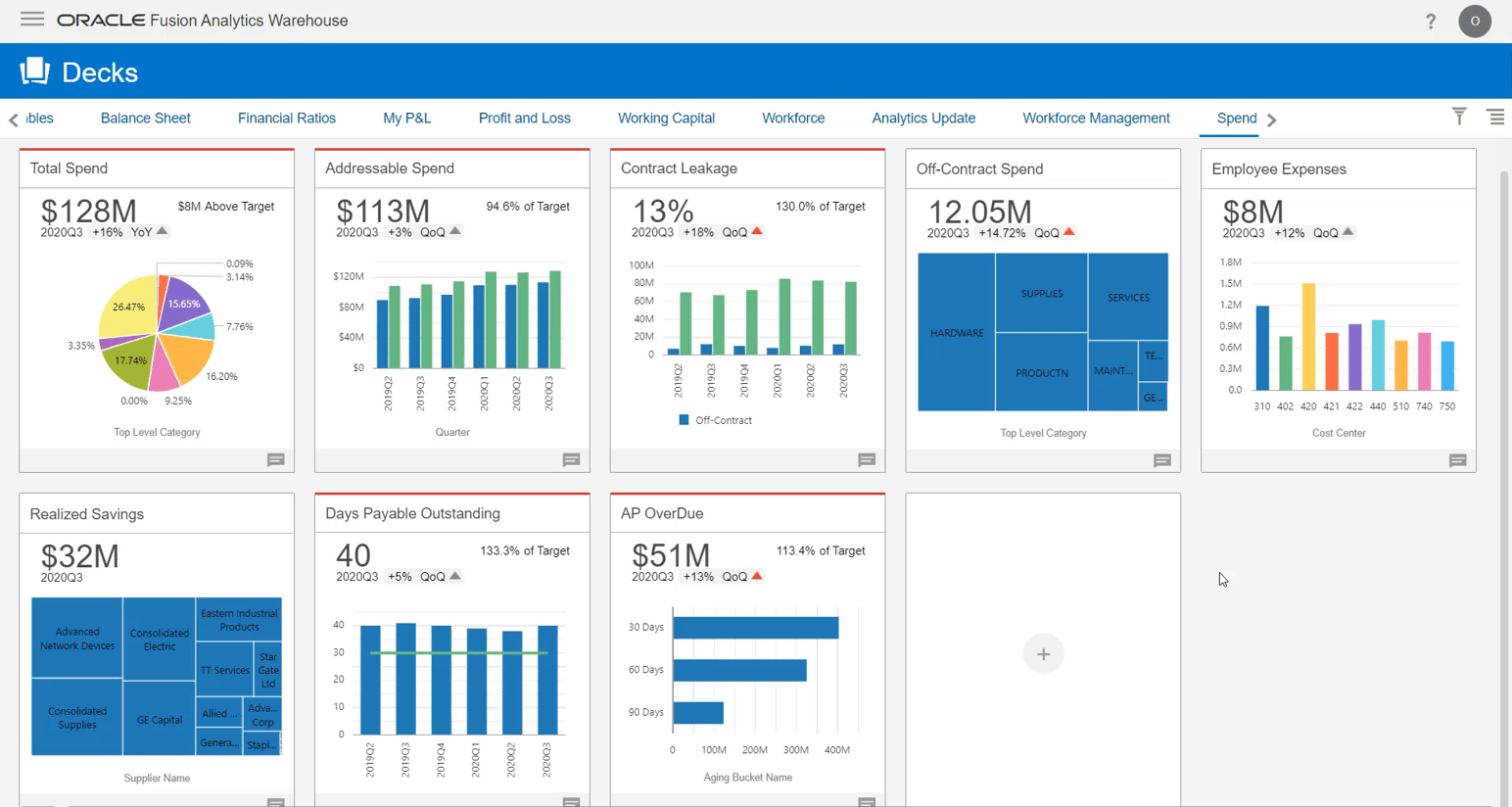
Oracle offers a wide set of supply chain management cloud tools covering planning, logistics, procurement, and more. It uses advanced analytics and AI to optimise complex global supply chains and streamline fulfilment processes.
Key features:
Warehouse and transport management
Predictive analytics
Integrated with Oracle ERP
Best for: Large companies needing detailed control over global supply chains.
4. Infor Supply Chain Management
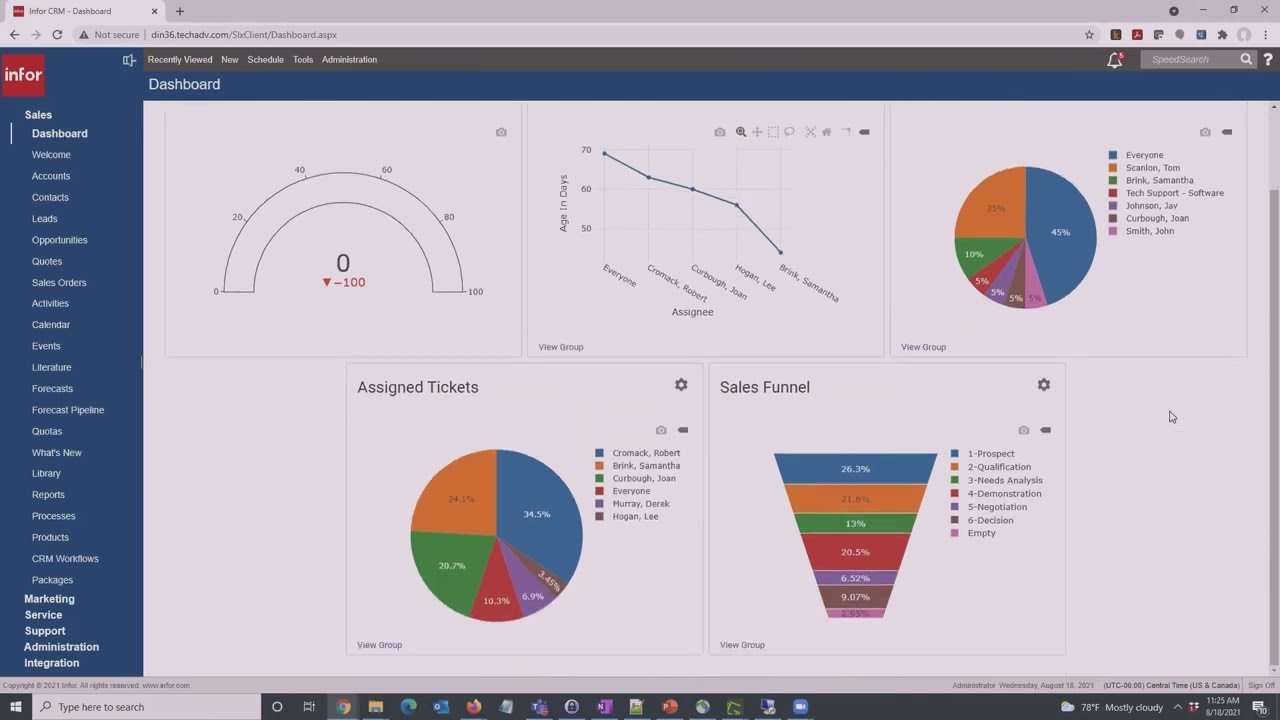
Infor combines real-time data with supply chain planning and execution tools. It adapts well to industry needs and offers strong support for complex workflows and integration with existing systems.
Key features:
Inventory and demand planning
Warehouse control
Supplier coordination
Best for: Manufacturing, retail, and distribution companies.
5. NetSuite ERP
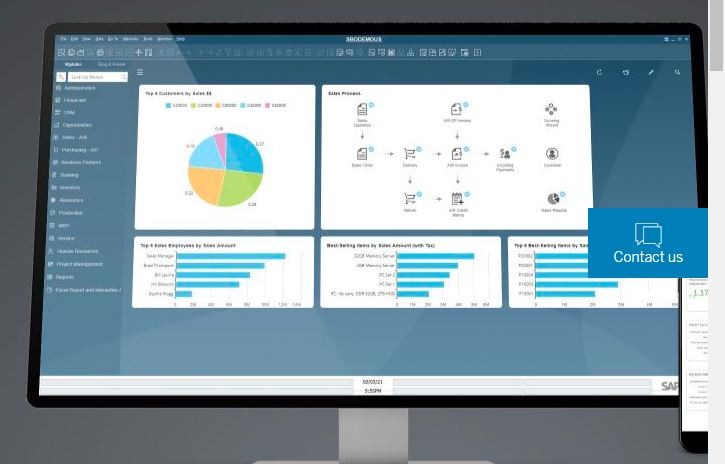
NetSuite is cloud-based ERP software with solid supply chain features. It gives visibility across production, procurement, and financials while offering easy-to-use dashboards and automation tools.
Key features:
Demand planning
Order management
Returns processing
Best for: Small- and mid-sized companies looking for a cloud-based ERP.
6. LogiNext Mile
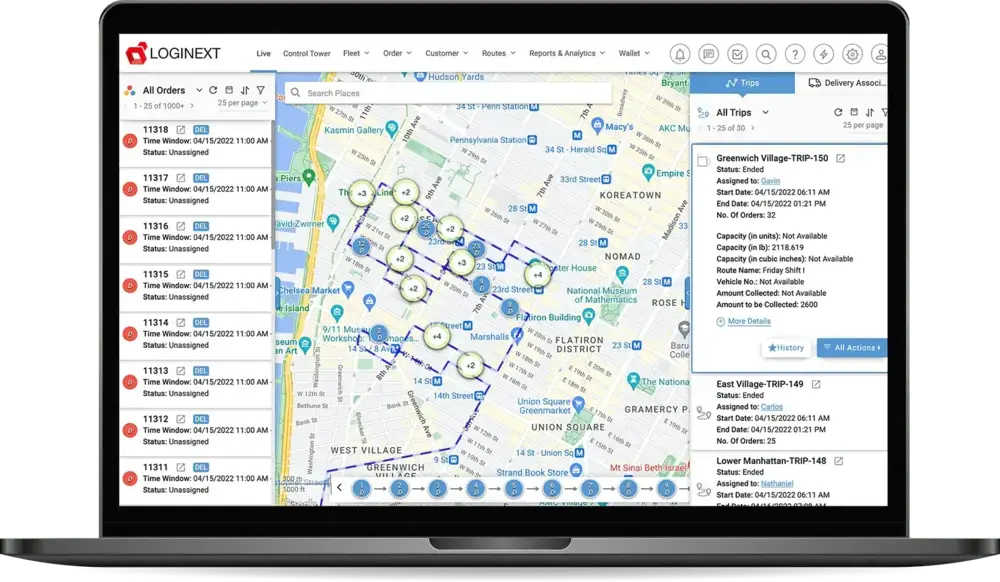
LogiNext offers strong capabilities in route planning and real-time tracking for last-mile deliveries. It helps improve delivery efficiency and customer satisfaction with automation and live updates.
Key features:
Route optimization
Real-time delivery tracking
Fleet management
Best for: Logistics and courier companies.
7. Zoho Inventory
Zoho is a flexible and budget-friendly supply chain solution ideal for smaller businesses. It helps manage stock, orders, and deliveries while offering integration with e-commerce platforms.
Key features:
Order and stock management
Barcode scanning
Multi-warehouse support
Best for: E-commerce, startups, and small retailers.
8. Blue Yonder
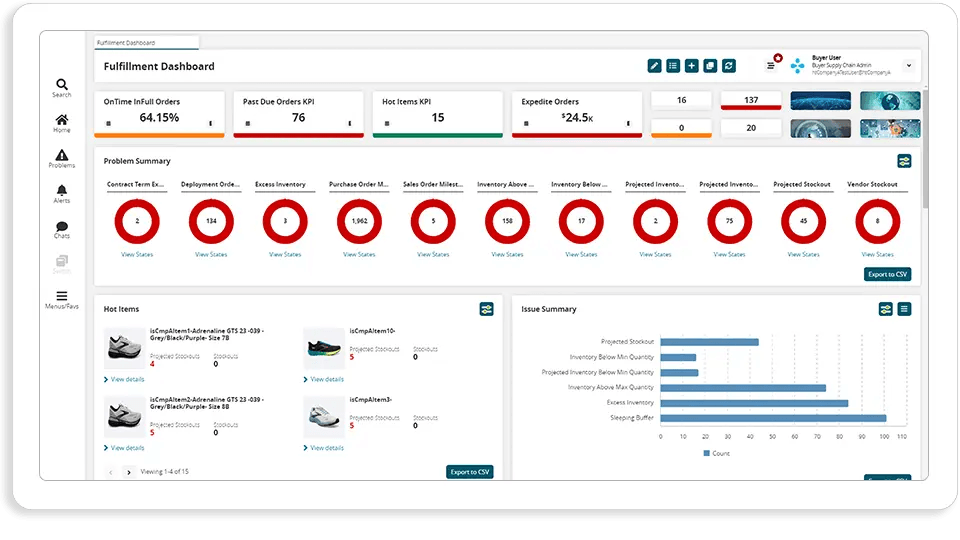
Blue Yonder (formerly JDA) is known for smart planning features using artificial intelligence. It focuses on automation, real-time inventory data, and responsive supply chain adjustments.
Key features:
AI-driven forecasting
Demand and inventory planning
Real-time updates
Best for: Retail and manufacturing businesses needing smart planning.
9. Manhattan Associates
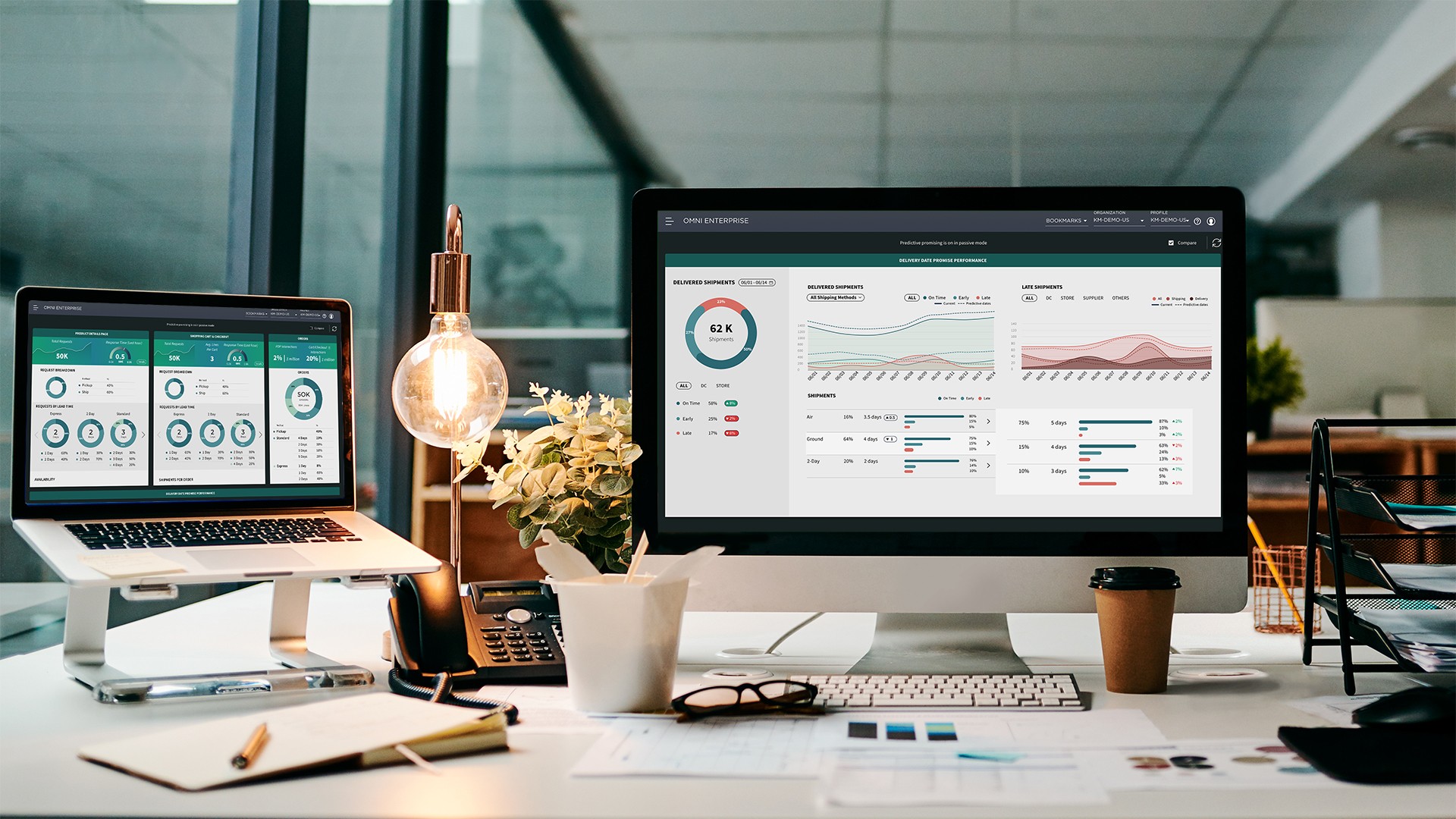
This SCM software offers a full platform for managing inventory, distribution, and customer orders across multiple channels. It supports real-time operations and analytics, making it a strong choice for large retailers.
Key features:
Omnichannel order fulfilment
Transport and warehouse coordination
Analytics
Best for: Retailers and large distribution firms.
10. E2open
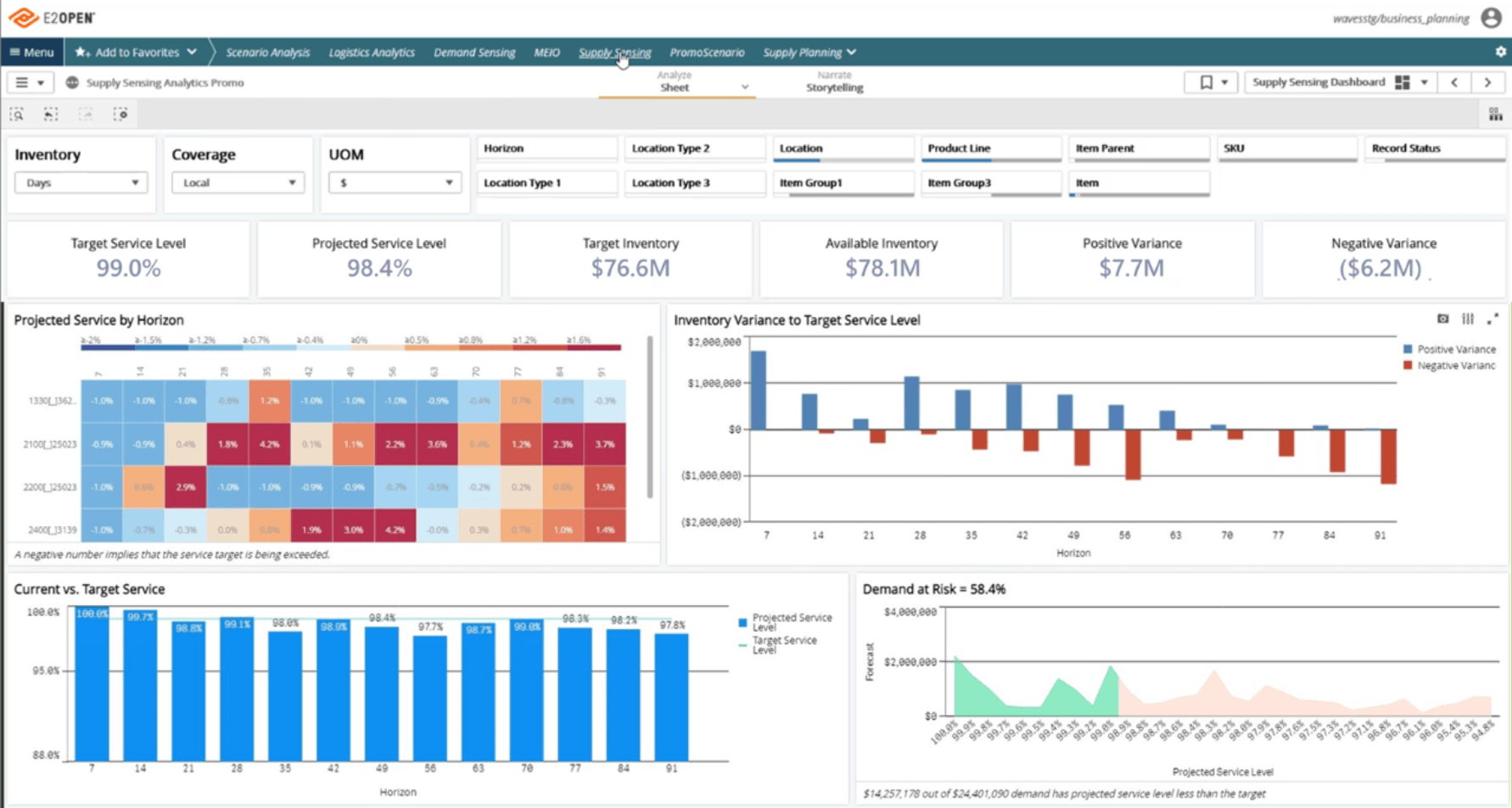
E2open is a collaborative supply chain platform designed for end-to-end visibility and automation. It connects suppliers, manufacturers, and logistics providers on a single platform to simplify planning and execution.
Key features:
Supply and demand planning
Multi-tier supplier collaboration
Logistics visibility
Best for: Global businesses managing complex supply chains with multiple vendors and stakeholders.
How Does Invoicing Software Help with Managing the Supply Chain?
If your supply chain management software includes invoicing, it helps keep everything connected. You can handle payments, orders, and deliveries all in one place without having to switch between systems.
It makes important tasks easier and more precise, like:
Link payments to shipments
Avoid missed invoices
Track costs accurately
Match invoices with deliveries
How Much Does Supply Chain Management Software Cost?
Prices vary based on business size and features. To help you out, here’s a rough idea:
When it comes to small-sized organisations, SCM implementation is estimated to cost around £80 to £800+. Implementing supply chain management software for a mid-sized organisation costs around £15,000 to £100,000+, and when implementation is for a large-sized organisation, it can cost from £60,000 to over £400,000 or even more.
Custom SCM software demos are often available from vendors to help you evaluate before you proceed. If you are looking for an official Microsoft partner, Dynamics Square is one of the genuine Microsoft partners.
How Can SCM Software Benefit Your Business?
Supply chain management software offers numerous benefits for businesses across industries, from better visibility and real-time updates to lower costs and much more. Let's know more about it.
It enables better visibility of stock and operations
By optimising operations, it provides Faster delivery times
It lowers costs through planning and automation
Reliable product delivery due to fewer errors with barcode scanning and order tracking.
Real-time updates for all departments ensure everyone receives the same information.
How to Pick the Best Software for Managing Your Supply Chain?
Choosing the right software for managing your supply chain is very important for the success of your business.
You can't just pick a popular name because you need to find a software system that works for your needs, budget, and future business needs.
Before you make a choice, think about these important things:
1. Think about what you need
First, figure out what your biggest problems are, such as stock shortages, late deliveries, or slow order processing. Pick software that can fix these problems.
2. Make it easy
Your team should be able to use the software every day without any problems. A clean layout and clear features make it easier to use and learn.
3. Look for the right features
Check to see if the software has the features you need, like tracking inventory, shipping, or predicting demand. Don't bother with the extras you won't use.
4. Check integration
Choose a system that works with the tools you already have, such as ERP, accounting, or online stores. This keeps your data in one place and saves you from having to do it by hand.
5. Plan for the long term
Pick software that can grow with you. As your business grows, it should be able to handle more users, products, or locations.
6. Get good support
Find a provider that can help you with things like setting up software, training, or getting quick answers when something goes wrong.
Final Thoughts
Supply chain software is important for managing and improving the flow of goods, information, or resources from the supplier to the end customer. It has many benefits, such as making things more efficient, lowering costs, and making customers happier by streamlining tasks like managing inventory, logistics, and warehousing. You can only get these benefits if you choose the right supply chain management software for your business.
Microsoft Dynamics 365 Supply Chain Management ERP is a cost-effective yet powerful SCM software that brings together inventory, production, and delivery in one place. It works best for businesses that are medium to large in size. It is ideal for mid- to large-sized organisations. If you’re looking for supply chain software that gets the job done without adding complexity, this could be the right fit.
Need the right supply chain management software for your business?
Dynamics Square can help you explore Microsoft Dynamics 365 Supply Chain Management and get started with the right solution.
See Also: Best ERP Systems for Small Businesses
Frequently Asked Questions
There is no single supply chain management software that works for every UK business. The right choice depends on your business size, industry, supply chain processes, budget, and the features you need. Dynamics 365 Supply Chain Management, SAP IBP, Oracle SCM, Infor, and other platforms suit different business requirements.
Cloud-based supply chain management software is hosted online and can be accessed through the internet. It allows teams to access supply chain information without relying completely on software installed on local computers or servers.
Supply chain management software mainly focuses on activities such as inventory, procurement, planning, warehousing, manufacturing, and logistics. ERP software covers a wider range of business processes and can connect supply chain activities with finance, sales, customer management, and other departments.
Yes. Many modern supply chain management systems are cloud-based, which means businesses can access them online. The exact access options depend on the software provider and deployment model.
Many modern supply chain platforms use AI and advanced analytics for activities such as demand forecasting, inventory planning, and identifying supply chain issues. The AI features available can vary depending on the software and product edition.
The cost depends on the software, number of users, features, implementation requirements, integrations, and business size. Smaller solutions may use subscription pricing, while larger ERP-based implementations can involve additional costs for implementation, migration, training, and support.
Yes, Dynamics Square can help businesses understand their supply chain requirements and explore Microsoft Dynamics 365 solutions. The team can also support businesses with implementation, migration, training, and ongoing support.